-2.png)



Lubricant storage principles:
If conditions permit, barreled and canned lubricants should be stored indoors to avoid weather impacts; lubricants with opened lids must be stored indoors. It is advisable to place oil drums horizontally, with both ends secured with wooden wedges to prevent rolling. In addition, check the drums regularly for leaks and ensure the markings on the drum surface are clear. If a drum must be placed upright, it should be inverted with the lid facing down, or tilted slightly to prevent rainwater from accumulating on the drum surface and entering through the lid. Water has an adverse effect on any lubricant.
On the surface, it is not easy for moisture to enter the oil drum through a fully sealed lid. However, for drums stored outdoors, exposure to intense sunlight during the day and cooler weather at night causes thermal expansion and contraction, affecting the air pressure inside the drum; it is slightly higher than atmospheric pressure during the day and close to a vacuum at night. This “breathing” effect causes air to be “exhaled” out of the drum, and at night, air is “inhaled” back in. If the drum lid is submerged in water, moisture will inevitably enter the drum with the air at night. Over time, the amount of water accumulated in the oil can be quite significant.
When taking oil, the oil drum should be placed horizontally on a shelf of appropriate height, with a valve fitted at the lid opening for dispensing, and a container placed under the valve to prevent dripping and splashing. Alternatively, place the drum upright and insert an oil pipe through the lid opening to extract oil using a hand pump.
Temperature has a greater impact on grease than on lubricating oil. Long-term exposure to sunlight or high temperatures will cause the oil in the grease to bleed out. Therefore, grease drums should be prioritized for storage in warehouses, preferably placed vertically with the opening facing up. The openings of grease drums are relatively large, making it easier for dirt and water to penetrate; the lid should be tightened immediately after use.
Lubricant handling principles
In addition to paying attention to the storage points for lubricants, careful handling of lubricants should not be ignored. If the lubricant is contaminated on the way from the storage warehouse to the workshop site, all previous efforts in careful storage will be in vain. Containers for storing small amounts of lubricant and for replenishment must have lids, be kept clean, and be washed and wiped dry with a cloth before use. Funnels and other lubrication utensils must be treated the same way. When wiping with a cloth, never use waste cotton yarn or wool cloth that easily sheds fibers, as these fibers can transfer from the utensils into the machine’s lubrication system and block the flow of lubricant.
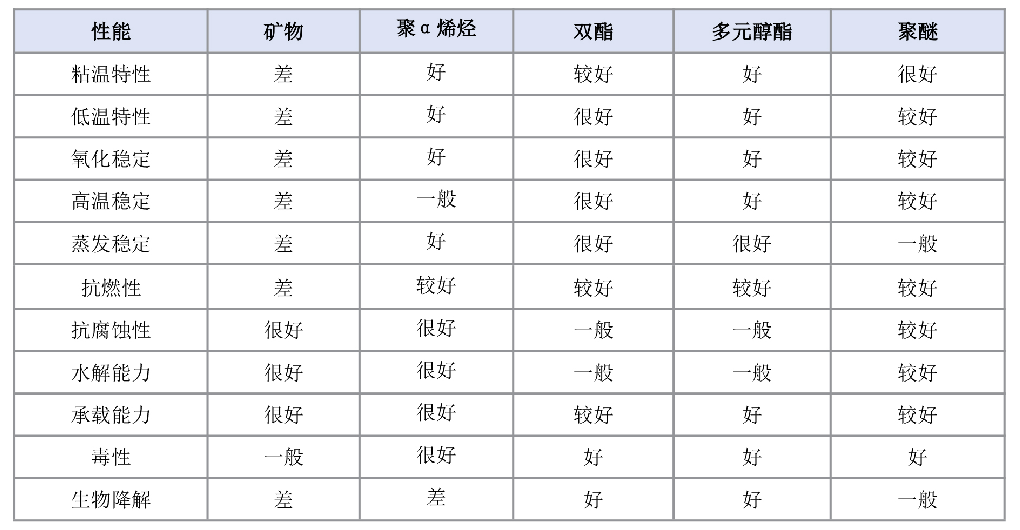
Base oil performance comparison
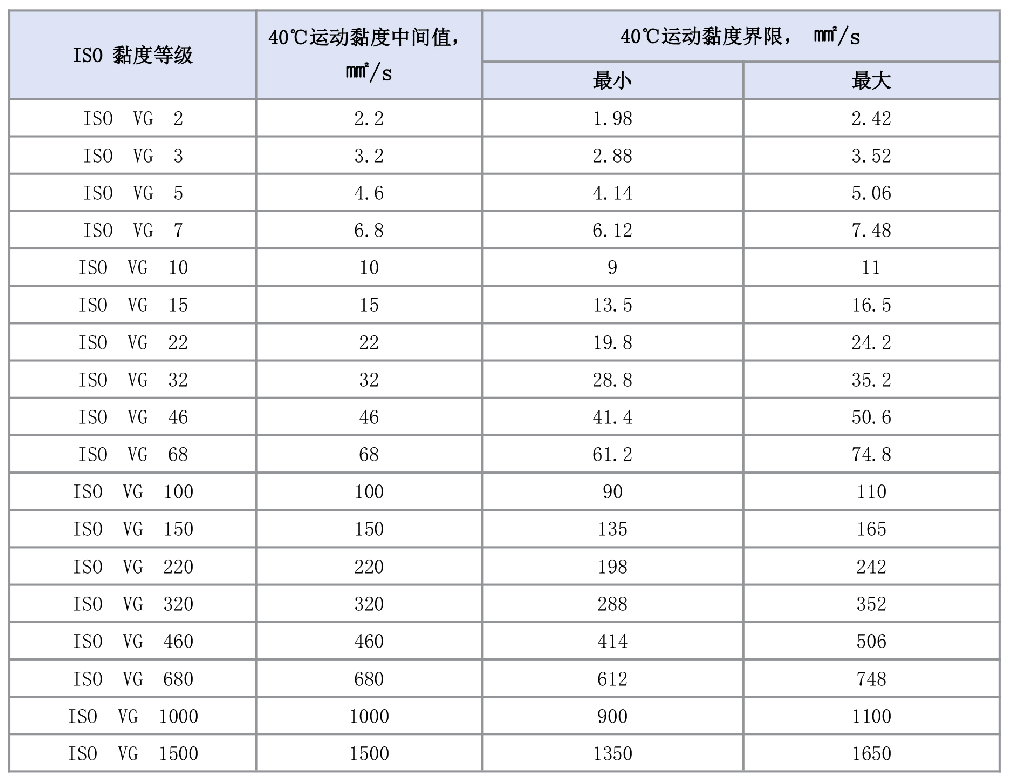
ISO viscosity range
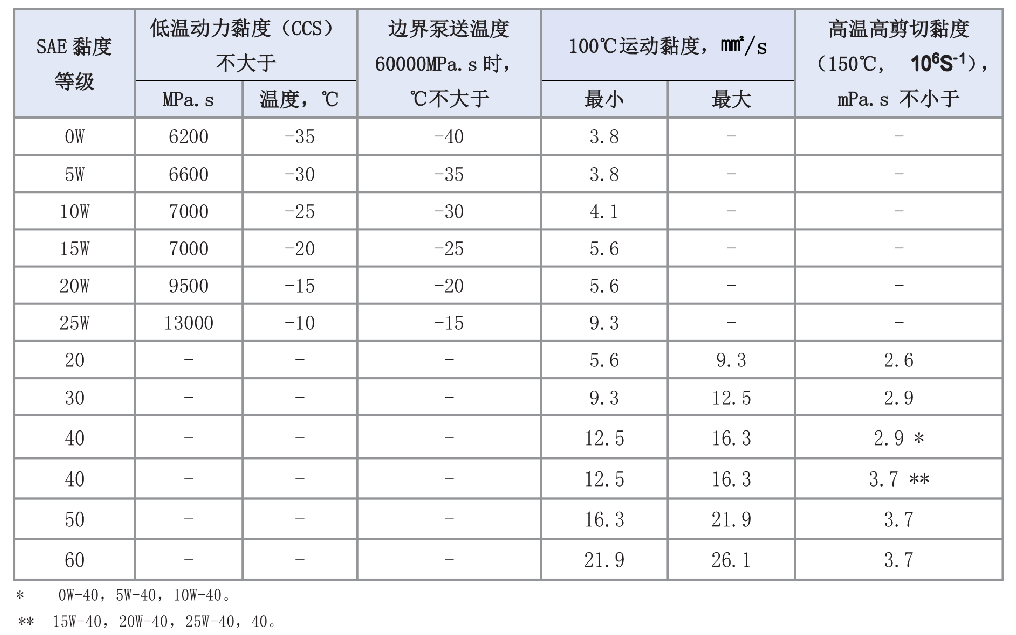
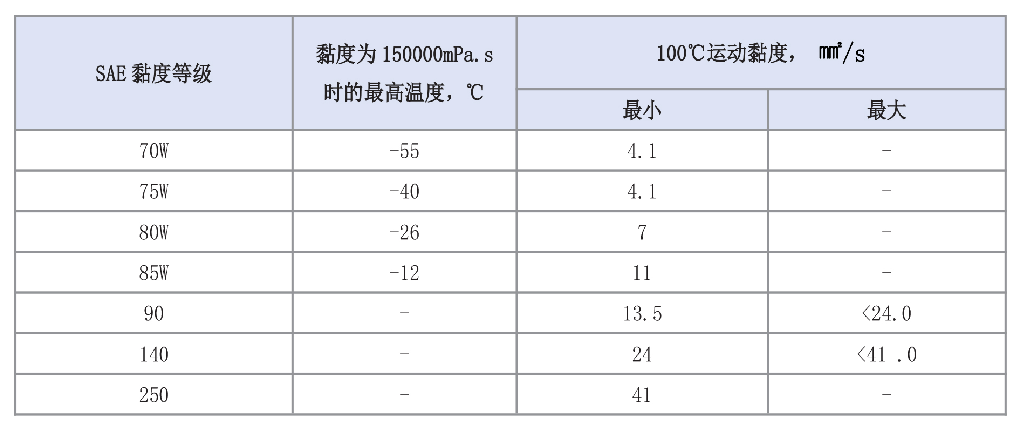
SAE viscosity classification
SAE gear oil
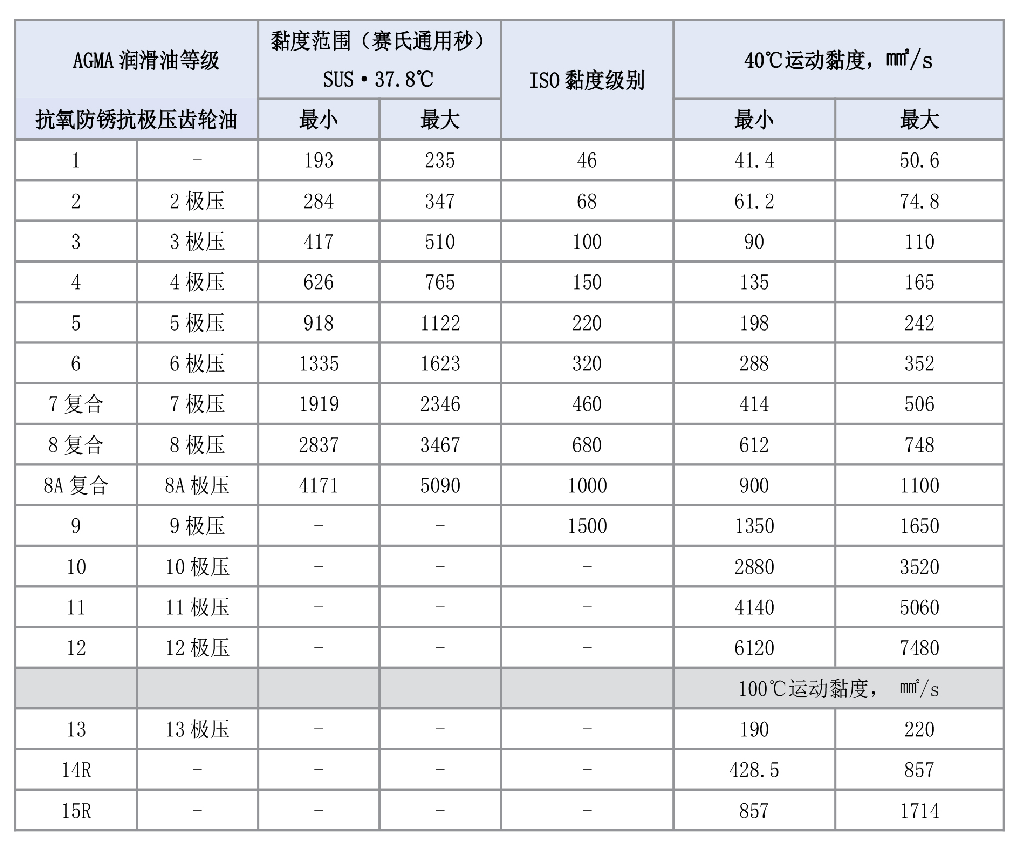
AGMA lubricant viscosity classification
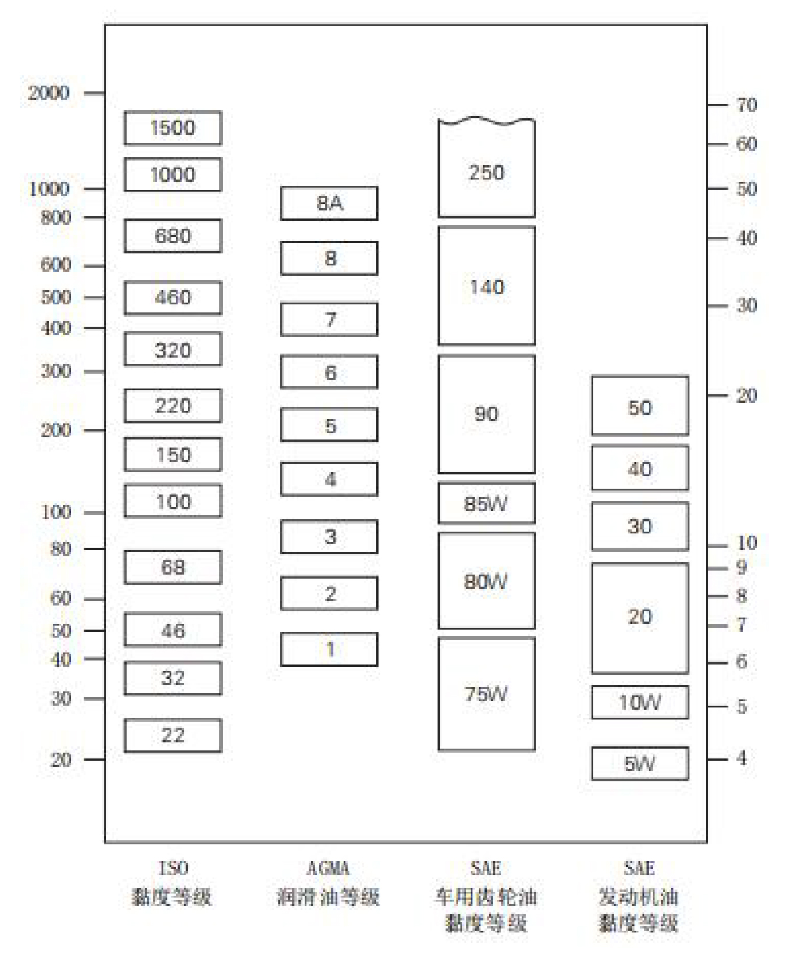
Viscosity classification comparison
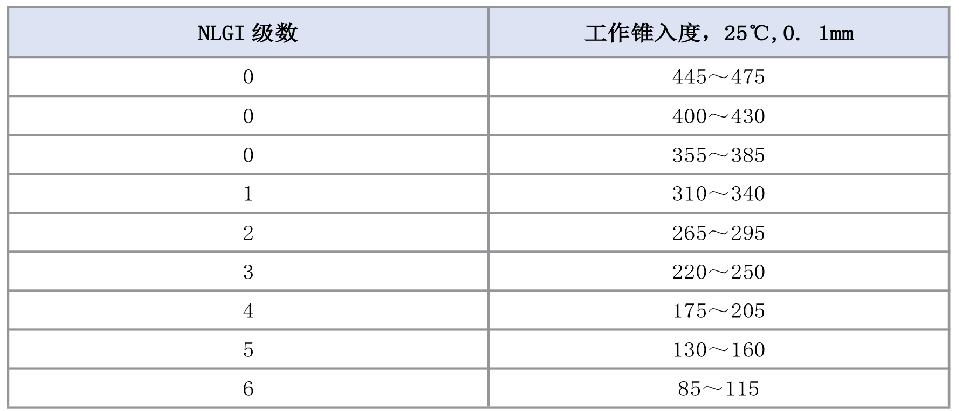
NLGI grease classification