-2.png)


Carbon Accounting: The Foundation of Dual-Carbon Data
Why Carbon Accounting?
Why is carbon accounting necessary?
Carbon accounting is the foundation of corporate carbon management, providing verifiable data for emission reports, verification support, and emission reduction planning.
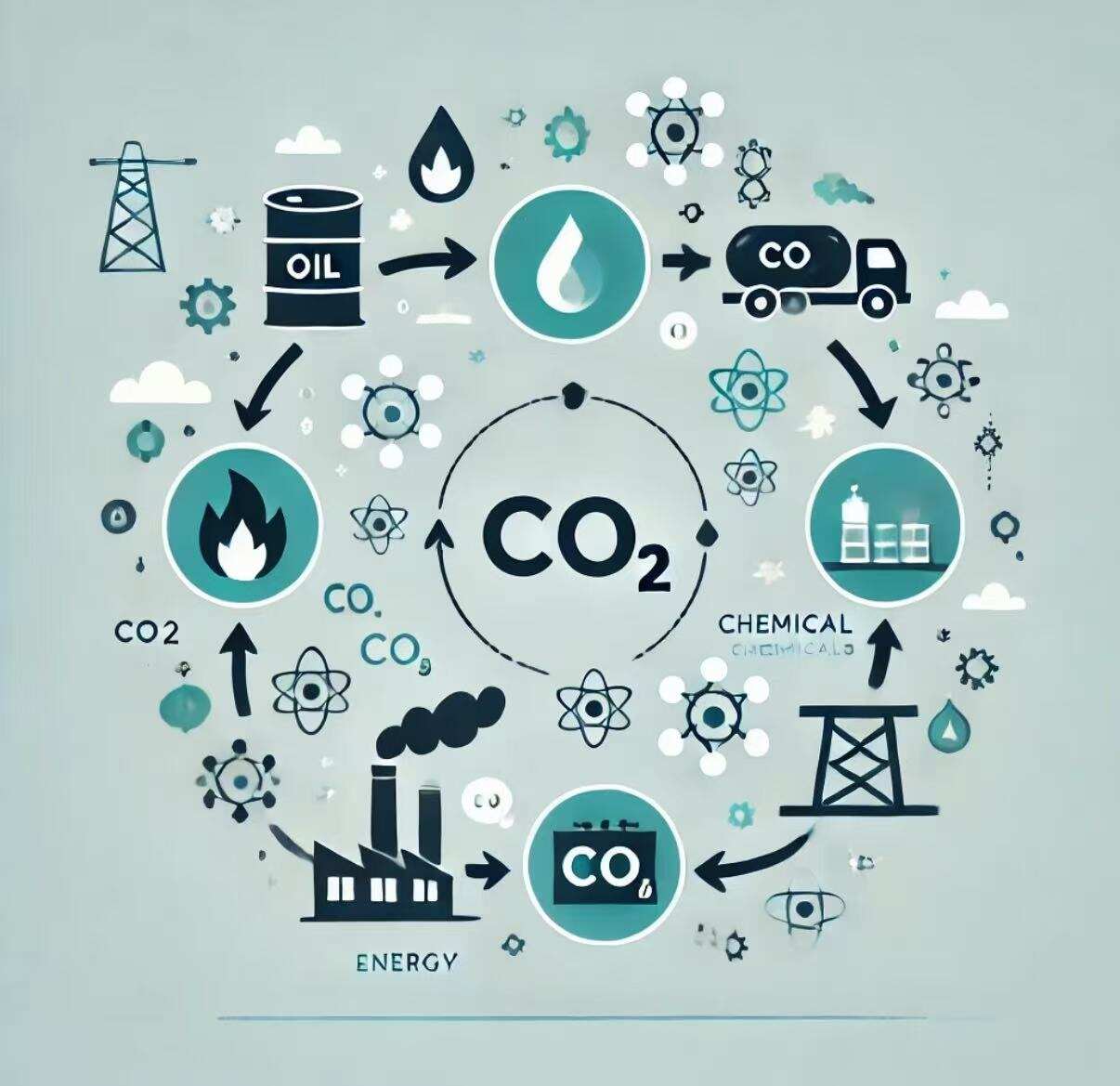
Ensuring every ton of emissions is “evidence-based and verifiable.”

Carbon Accounting MRV
Establishing Verifiable Data Foundations
ORISEEN assists energy and manufacturing enterprises in streamlining accounting boundaries, activity data, and calculation parameters; forming emission reports, calculation working papers, and evidence indexes; and providing verification support within the agreed scope.
What is carbon accounting?
Quantifying greenhouse gas emissions within defined boundaries and periods based on applicable methodologies, while recording data, parameters, and processing logic to explain where emissions come from and how results are formed.
Determine the purpose first; check if reports can be reused, then verify boundaries, methods, and data requirements item by item.
National Carbon Market Reporting
Determine reporting boundaries, methods, and submission requirements according to applicable industry standards.
Organizational GHG Inventory
Define organizational boundaries and reporting periods to generate organization-level emission results.
Customer Disclosure
Confirm the framework, reporting scope, and supporting materials required by the customer first.
Internal Emission Reduction Management
Analyze emission trends and improvement priorities in conjunction with production volume and energy structure.
One Accounting System, Three Problems Solved
Consistent Criteria
Forming boundary and emission source inventories; unifying indicators, units, and periods. Management confirms the scope, and technical staff extract and review data accordingly.
Verifiable Results
Mapping activity data, parameters, and calculation results to original evidence, allowing causes and logic to be located when discrepancies arise.
Sustainable Workflow
Retaining editable working papers, ledger templates, update rules, and division of responsibilities to support continuous maintenance in subsequent years.
Which boundaries should be determined first?
Confirm the scope before starting data collection to reduce rework caused by inconsistent reporting criteria and data extraction ranges.
01 Entities Facilities
Define the inclusion scope for legal entities, plant areas, production facilities, and activities; record the processing logic for captive power plants, outsourced activities, and organizational changes.
02 Emission Sources Methods
Identify fuel combustion, industrial processes, purchased energy, and related indirect emissions based on use; national carbon market projects follow industry-specific standards.
03 Periods Changes
Unify statistical start and end times; verify procurement, inventory, and actual consumption; explain the impact of commissioning, shutdowns, or technical upgrades on data.
What data does an enterprise need to prepare?
Establish departmental data lists by emission source, specifying responsible departments, statistical criteria, submission frequency, and evidence locations.
Energy Metering
Fuel, electricity, and heat consumption; procurement and inventory records; and metering equipment ledgers, verification, or calibration records. Focus on coverage and units.
Production Process
Output, operation records, raw and auxiliary materials, process parameters, and test reports. Focus on statistical periods, sampling representativeness, and parameter applicability.
Evidence Systems
Bills, original documents, departmental ledgers, and system export records. Establish the mapping between summary data and original records to avoid double counting.
Next steps after data inspection: List gaps and discrepancies; clarify supplement responsibilities, timing, and impact on results; when new metering or testing is required, explain the logic and priority before the enterprise arranges investment.
How are carbon emissions calculated?
Activity Data × Corresponding Emission Factor
The basic logic of the emission factor method
Actual calculations also require verifying unit conversions, net calorific value, carbon content, oxidation rate, and other parameters by emission source; some industrial processes use material balance or industry-specified methods.
Review Focus: Boundary mapping, parameter applicability, consistency of formulas and units, and traceability of results. Factors and parameters must record sources and versions.
Management Judgment: Emission changes should be explained in context of output, products, and energy structure; emission reductions due to decreased output cannot be directly claimed as technical upgrade results.
What is MRV?
The integration of Monitoring, Reporting, and Verification, while clarifying responsibilities for data acquisition, report preparation, and independent verification.
M
Monitoring
Acquiring energy, production, metering, and testing data; implementing collection frequency, responsible persons, and anomaly handling; monitoring refers to more than just flue gas online monitoring.
R
Reporting
Forming reports according to prescribed boundaries, methods, and periods; retaining calculation working papers, parameter evidence, and supporting materials; ensuring the submitted version matches the working papers.
V
Verification
Independent verification of reports and supporting data. Enterprises and service providers provide information and explanations; verifiers make judgments; clarify responsibilities of all parties at the start.
How does ORISEEN conduct carbon accounting?
Six stages to clarify matters for enterprise confirmation and data conditions. Progress is determined by data integrity, supplementary work, and submission deadlines.
01 Confirm Objectives Scope
Confirm industry, purpose, year, and applicable documents; agree on the scope of site verification, submission, and verification support; and clarify progress and acceptance methods.
02 Streamline Boundaries Emission Sources
Verify organization and processes; form boundary descriptions and emission source inventories; start data extraction after enterprise confirmation.
03 Collect Data Inspect Quality
Establish departmental lists; check for missing, abnormal, or duplicate data and criteria discrepancies; list processing logic and supplement responsibilities.
04 Calculation Internal Review
Review the mapping between formulas, units, parameters, and original records; explain anomalies in conjunction with production and energy changes.
05 Prepare Reports Organize Working Papers
Form reports, verifiable working papers, and evidence indexes; retain revision and limitation notes; support internal enterprise audits.
06 Verification Support Subsequent Updates
Provide Q and record revisions within the agreed scope; hand over templates and maintenance instructions; clarify division of labor for subsequent updates.
How to handle common data issues?
Map issues, processing logic, and responsible persons; retain records of changes before and after.
01 Multiple versions of the same data
Unify indicators and data extraction rules; clarify the version used, responsible department, and reviewer; retain reasons for historical revisions.
02 Discrepancies in procurement, inventory, and metering
Verify procurement volume, inventory changes, actual consumption, and metering scope; distinguish between time differences, boundary differences, and metering issues.
03 Missing evidence or key parameters
Judge the impact of gaps on applicable methods and results; determine supplementary testing, evidence, or alternative processing according to rules, and record the logic.
Different Industries, Different Accounting Focuses

Thermal Power Cogeneration
Verify fuel consumption, test parameters, power generation, and heat supply data; focus on unit boundaries, sampling tests, and monthly evidence storage.
Steel, Cement Aluminum Smelting
Verify processes, fuels, carbon-bearing materials, clinker production, and related process emission parameters based on industry standards.
Petrochemical Chemical
Identify emission sources by unit, raw material flow, and process; confirm allocation logic between units; verify annual reports and compliance requirements separately.
Confirm requirements at the start based on enterprise directories, accounting years, and applicable standards.
Reference: MEE National Carbon Market Work Notices and Technical Specification List →
How to integrate with Product Carbon Footprint and Energy-Carbon Management Platforms?
Carbon Accounting → Product Carbon Footprint
Corporate accounting describes an organization’s emissions over a specific period; product carbon footprint describes emissions within a selected life cycle boundary. Before reusing data, verify product units, process boundaries, allocation methods, and upstream data requirements.
ISO 14064-1 Organizational Accounting · ISO 14067 Product Carbon Footprint
Carbon Accounting → Platform Management
First clarify how emissions are calculated and who provides/audits data; then check if the platform can connect to existing meters and systems, record accounting parameters and data modification processes, set user permissions, and export working papers. The decision to invest in a platform can be based on the number of factories, data update frequency, and the time/cost of manual data organization.
Organizational reports cannot be directly used as product carbon footprint reports; platform automated calculations still require review; system output is not equivalent to a verification conclusion.
Carbon Accounting FAQ
Clarify the current accounting task and service scope
Please provide the industry, accounting purpose, year, submission deadline, and existing data status. Existing notices from competent authorities or verification issue lists can serve as a basis for scope confirmation.
Confirmed after communication: Applicable methods, data gaps, enterprise cooperation tasks, and service arrangements; separate scope descriptions for required improvements to metering, testing, or systems.
Changzhou ORISEEN Energy Technology Co., Ltd. ORISEEN
Industrial Energy-Carbon Management Energy-Saving Service Provider | Green Transformation Partner