-2.png)


工业节能降碳解决方案
工业设备、能源效率与碳管理一体化解决方案
Are there hidden losses in your energy system?
Integrated solutions for industrial equipment, energy efficiency, and carbon management
High temperature, high pressure, and high pressure differential conditions are prone to cavitation, flashing, erosion, and seal damage.
Main Products
High-temperature and high-pressure globe valves
Gate valves and hard-sealed ball valves
Multi-stage pressure reducing control valves
Feedwater pump minimum flow valves
High and low pressure heater drain valves
Triple-offset metal hard-sealed butterfly valves
Steam traps
Key Issues Addressed
Internal valve leakage
High pressure differential cavitation and flashing
Valve core and sealing surface erosion
Insufficient regulation accuracy
Thermal seizure in high-temperature conditions
Component wear caused by frequent peak shaving
Short valve maintenance cycles
Industrial lubricants not only provide lubrication but also affect equipment cooling, cleaning, rust prevention, sealing, and impurity transport.
Main Applications
Steam turbine lubrication systems
Generator bearing systems
Gearboxes
Fans and pumps
Air compressors
Hydraulic systems
Circulating oil systems
Service Content
Oil brand and viscosity grade matching
New oil selection and oil change recommendations
Compatibility assessment of different oils
Oil contamination risk analysis
Oil sampling and testing recommendations
Storage, replenishment, and filtration management
Analysis of abnormal oil temperature, foam, and emulsification issues
Hydraulic control in high-temperature areas requires a balance of response, stability, and safety.
Main Applications
Steam turbine electro-hydraulic control systems (DEH)
Speed control systems
Main stop valve and control valve actuators
Hydraulic control equipment in high-temperature areas
Power plant high-pressure fire-resistant hydraulic systems
Service Content
Fire-resistant oil product selection
System replenishment and oil change recommendations
Sealing material compatibility confirmation
Oil sampling and testing
Particulate contamination control
Moisture and acidic substance management
Oil purification and system maintenance recommendations
Analysis of abnormal color, odor, and deposits
Moving emission data from estimation to traceability
Monitoring Objects
Carbon dioxide
Methane and related greenhouse gases
Flue gas flow
Temperature and pressure
Humidity
Oxygen content
Conventional flue gas pollutants
Production and energy consumption parameters
Technical Routes
Non-dispersive infrared (NDIR) technology
Laser spectroscopy technology
Fourier-transform infrared (FTIR) technology
Cold atomic fluorescence technology
Establishing a verifiable corporate carbon data system starting from emission source identification
Service Content
Accounting boundary confirmation
Emission source identification
Direct and indirect emission accounting
Carbon emission ledger establishment
Carbon emission report preparation
Third-party verification support
Management process optimization recommendations
Applicable Scenarios
National carbon market compliance preparation
Annual corporate carbon footprinting
Customer supply chain audits
ESG and sustainability disclosure
Green factories and low-carbon industrial parks
Carbon data preparation for exported products
Emission reduction assessment for energy-saving renovations
Transforming scattered energy data into actionable management decisions
Accessible Data
Electricity
Natural gas
Steam
Hot water and cooling capacity
Compressed air
Industrial water
Flue gas and carbon emission data
Output and operating conditions
Core Functions
Automated energy data collection
Energy balance analysis
Energy consumption analysis per unit of product
Automated carbon emission accounting
Emission factor management
Energy consumption and carbon intensity dashboards
Abnormal energy consumption alerts
Equipment energy efficiency analysis
One-stop empowerment for visible energy-saving and carbon-reduction value
What value can we create for enterprises?
Reduction in Energy Consumption
Eliminate hidden energy losses
Credible and Traceable Data
Build a traceable carbon emission data system
Long-term Stable Equipment Operation
Ensure long-term equipment operation and reduce O costs
Compliance and Long-term Competitiveness
Meet carbon compliance and green manufacturing requirements
Application Industries
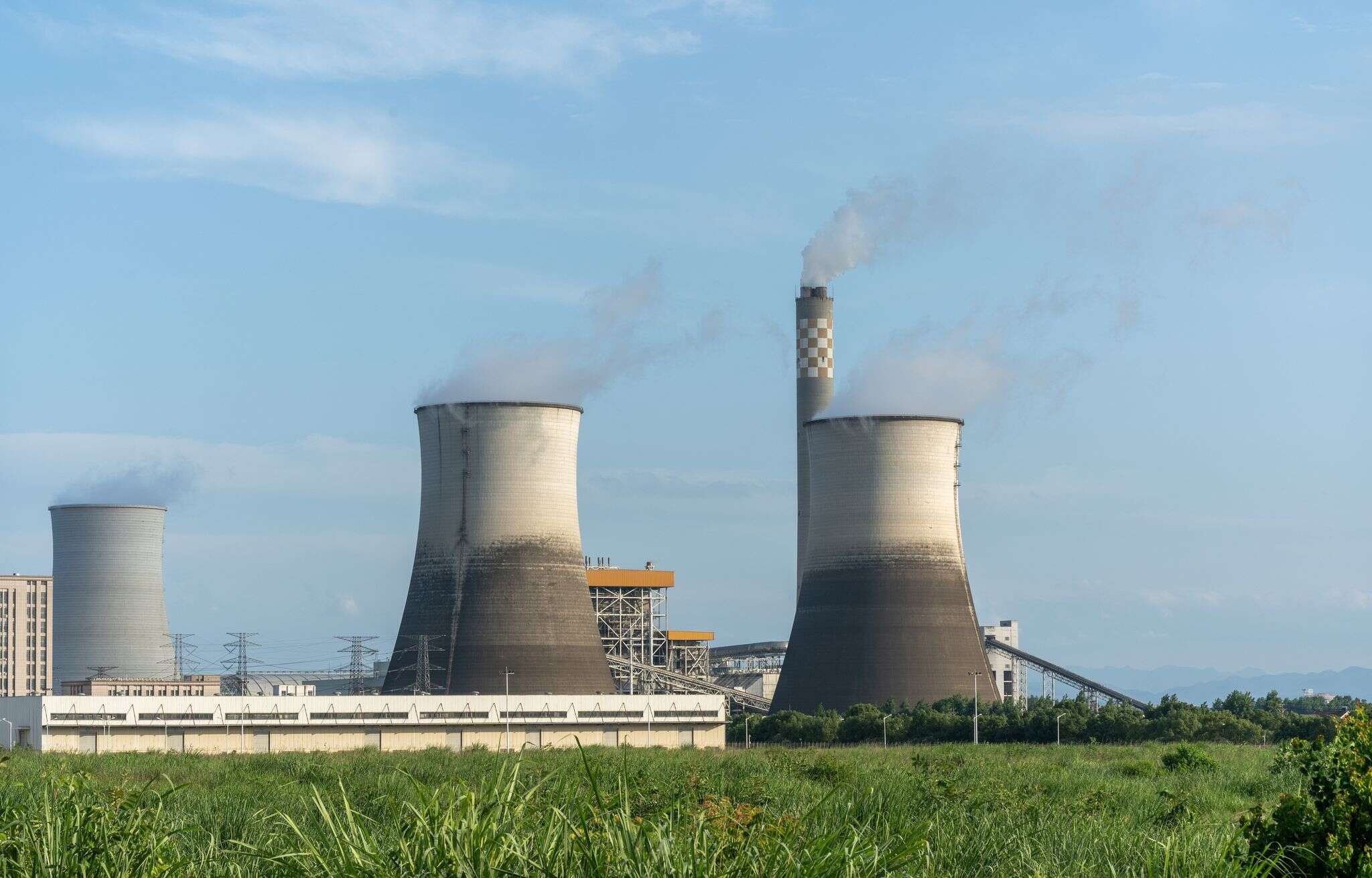
Thermal Power Generation / Cogeneration
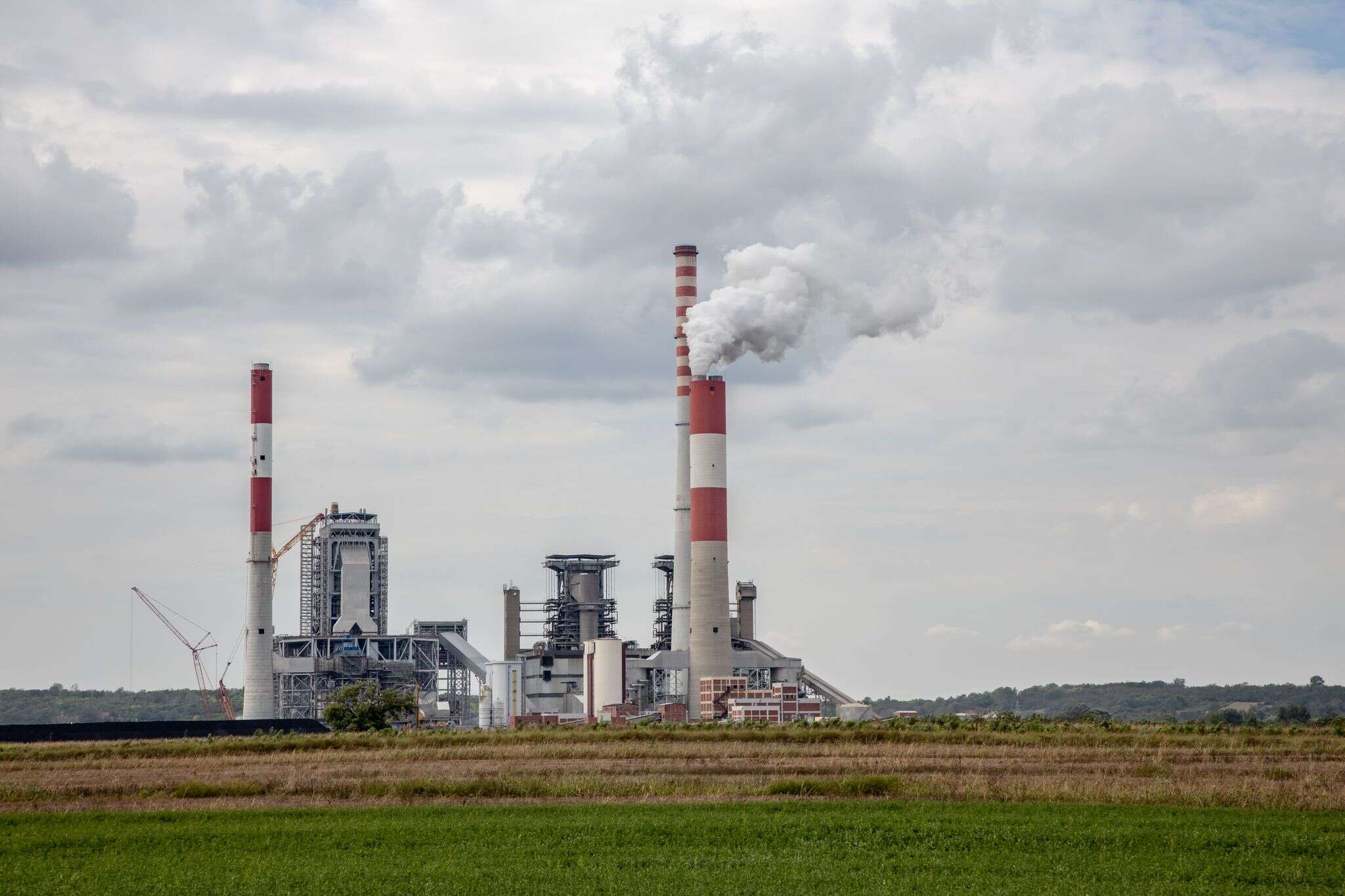
High energy-consuming industries such as steel, cement, and chemicals
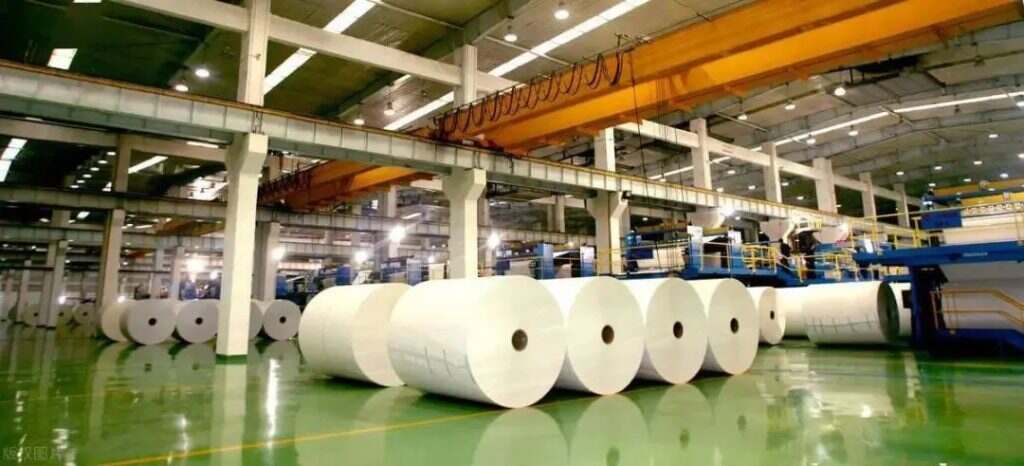
Large-scale manufacturing such as paper, textiles, and industrial park centralized steam supply enterprises
Project Implementation Process