-2.png)


Effortlessly Manage Dual Carbon Control
Energy-Carbon Management Platform
What is an Energy and Carbon Management Platform?

An Energy and Carbon Management Platform is software used to aggregate energy data, analyze usage, and manage carbon emission accounting data. Enterprises can view energy consumption, costs, efficiency indicators, and carbon emission results based on selected modules.
Changzhou Oriseen Energy Technology Co., Ltd. (ORISEEN) is a provider of industrial energy/carbon management and energy-saving services. We streamline requirements, select modules, and coordinate with manufacturers for implementation. The platform can be customized by project; specific functions, accounting scope, interfaces, and deployment methods are subject to the technical scheme confirmed by both parties.
Why Do Enterprises Need an Energy and Carbon Management Platform?
Organize Accounting Data
Centrally organize energy consumption, emission sources, and related vouchers to prepare materials for corporate carbon accounting and verification.
Control Energy Costs
Compare consumption and costs across different months, regions, or energy types to help enterprises identify and control energy-intensive stages.
Analyze Energy Usage Data
View energy usage by plant, production line, process, or key equipment when data is available. The depth of analysis depends on data completeness.
Support Third-Party Verification or Certification
Organize carbon accounting reports, product carbon footprint models, and original vouchers based on selected modules to support data traceability and corrective actions required for third-party verification or certification. Specific material requirements, model applicability, and final conclusions are determined by the certification body; software output does not guarantee verification approval.
What Data is Needed? How to Connect?
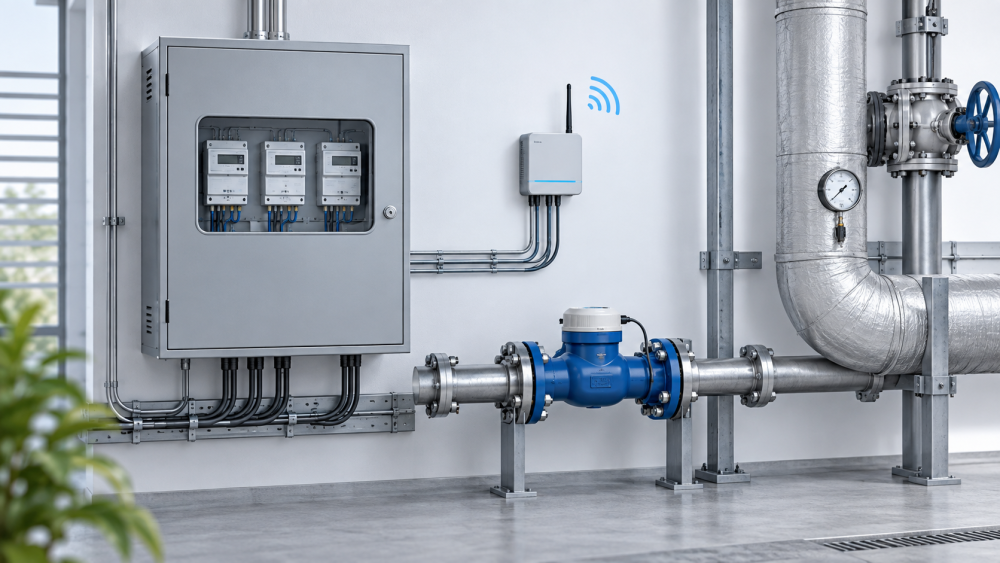
Energy Metering
Consumption of electricity, natural gas, steam, and water data. Can start from existing ledgers; automatic meter collection requires confirmation of equipment, gateways, and communication conditions.
Monitoring Systems such as CEMS
If CEMS data is required, verify monitoring parameters, interfaces, and applicable methods first. Pollutant monitoring data cannot be directly treated as CO2 emissions.
Production Systems
Output and process data from MES can be included in the integration assessment. Whether SCADA or DCS operational data is connected must be verified by the manufacturer for interface and security conditions.
Business Systems
Energy procurement, materials, and settlement data in ERP, as well as manually entered monthly ledgers. Interface openness, field mapping, and integration costs must be confirmed during the project.
Carbon Emission Visualization

The establishment of an energy-carbon platform helps enterprises achieve visual representation of carbon emissions, saving costs in manpower and resources for carbon emission inventory.
1. Strong Traceability: Establish a strict data quality management system, implement every metering device, and build a unified management model;
2. Activity Data Recording: Smart remote meters achieve automatic recording and transmission of activity data, accurately capturing every data change;
3. Database Support: Maintain calculation methods, emission factors, and parameter versions according to applicable industry accounting rules, reviewed by professionals in combination with project requirements.
4. Automatic Calculation: Automatically execute accounting based on confirmed boundaries, activity data, and calculation rules to improve efficiency; results still require review based on data quality and applicable methods.
5. Review and Archiving: Save accounting results, activity data, parameter versions, and related vouchers to support historical queries, result reviews, and data traceability.
Breaking Functional Limitations: Not only supports corporate-level carbon emission accounting, but can also perform “cradle-to-gate” or “cradle-to-grave” product carbon footprint modeling and accounting based on enterprise needs.
Core Functions: Standard Modules and Custom Configuration
Data Collection and Governance
Aggregate data from meters, business systems, or manual entries, performing validation, revision, and traceability. Data interfaces, collection frequency, and check rules can be customized based on site conditions.
Energy Management
View energy consumption, costs, and energy intensity per unit of product; perform efficiency benchmarking and energy flow analysis. Management levels, indicators, and energy flow diagrams can be configured based on metering conditions and business needs.
Carbon Emission Management
Manage carbon quotas by compliance period: enter verified quotas and adjustment records, estimate quotas for the next period based on production plans and applicable parameters, and provide forecasts/warnings for expected utilization rates, surpluses, or gaps. Supports project-based configuration for carbon accounting report generation, product carbon footprint modeling, and verification material management; specific versions, industry methods, report templates, and customization scope must be confirmed by the manufacturer.
Budgeting and Alerts
Compare targets with actual values based on configured indicators, tracking energy consumption, emissions, and quota usage. Project-specific customization is available for remaining period emission forecasts, quota gap calculations, and tiered warning thresholds, helping enterprises review data and production plans in advance. Forecasts depend on input conditions and do not replace actual verified quotas or compliance judgments.
Energy Analysis and Recommendations
Perform analysis combining energy consumption, output, and cost data to provide energy strategy recommendations. Analysis models can be adapted per project; automatic equipment control and energy-saving effect verification are not included in the default software scope.
Reports and Permissions
Summarize accounting results based on selected modules and confirmed templates to generate reviewable reports, organizing activity data, factor sources, and voucher indices. Product carbon footprints can be modeled by functional unit and life cycle boundaries; permissions, document versions, feedback, and rectification processes in verification collaboration can be customized by project.
Thermal Power Application: Energy Statistics and Carbon Accounting Adaptation

Evaluate energy statistics, carbon accounting, and reporting needs centered on fuel consumption, fuel analysis, power generation, heat supply, and purchased electricity. Accounting methods, indicators, and displays can be customized by project; online CO2 monitoring requires separate configuration of applicable instruments and interface confirmation, and is not inherently built into the software.
Steel Application: Layered Energy Consumption and Carbon Data Management
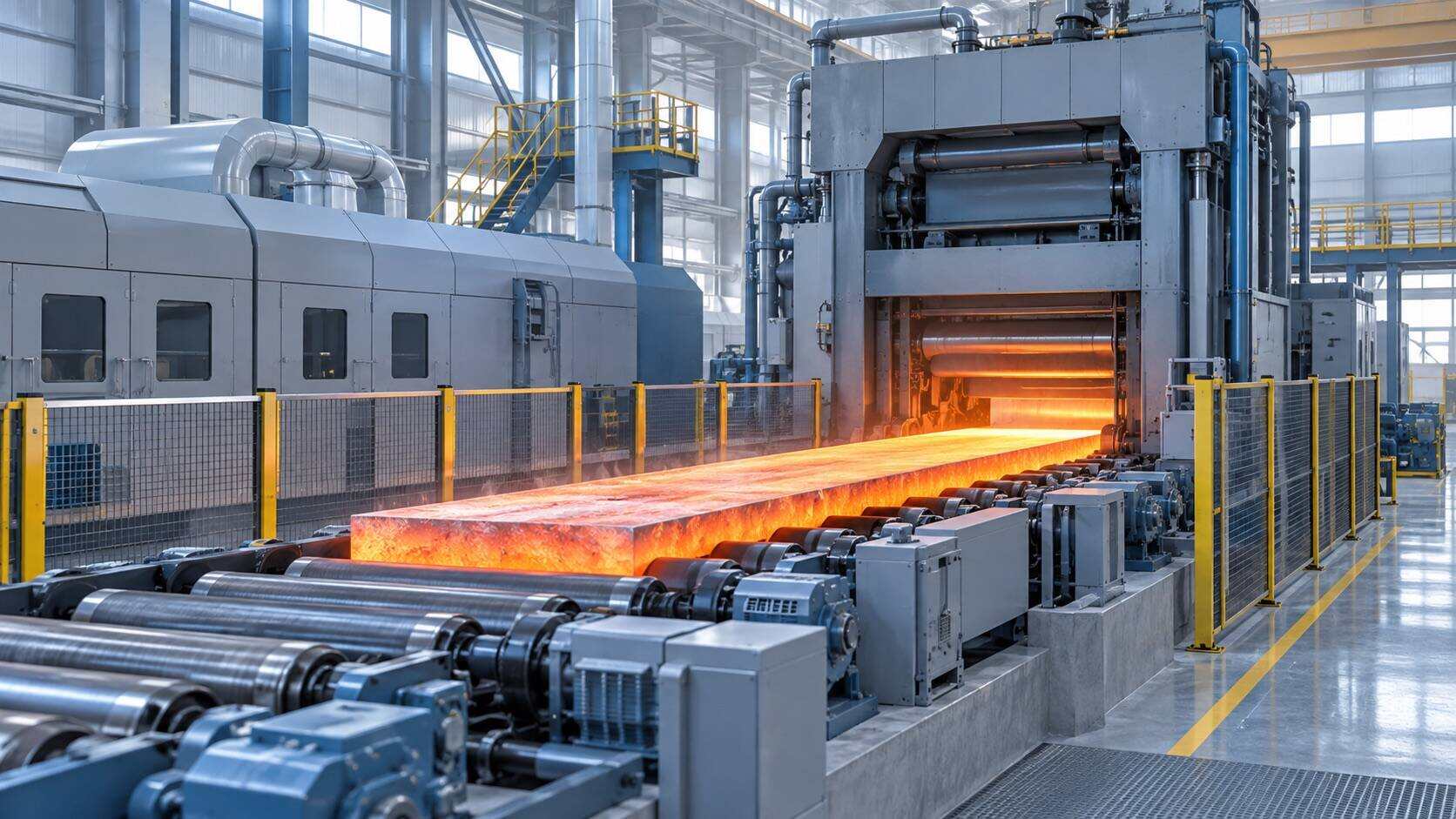
Evaluate layered energy consumption, efficiency benchmarking, and carbon accounting needs centered on process energy, major materials, and output. Customize data hierarchies and accounting models according to production flows; gas balance, product carbon footprint, and external reporting require specific confirmation of data conditions and modules.
Cement Application: Energy Consumption and Process Emission Data Management
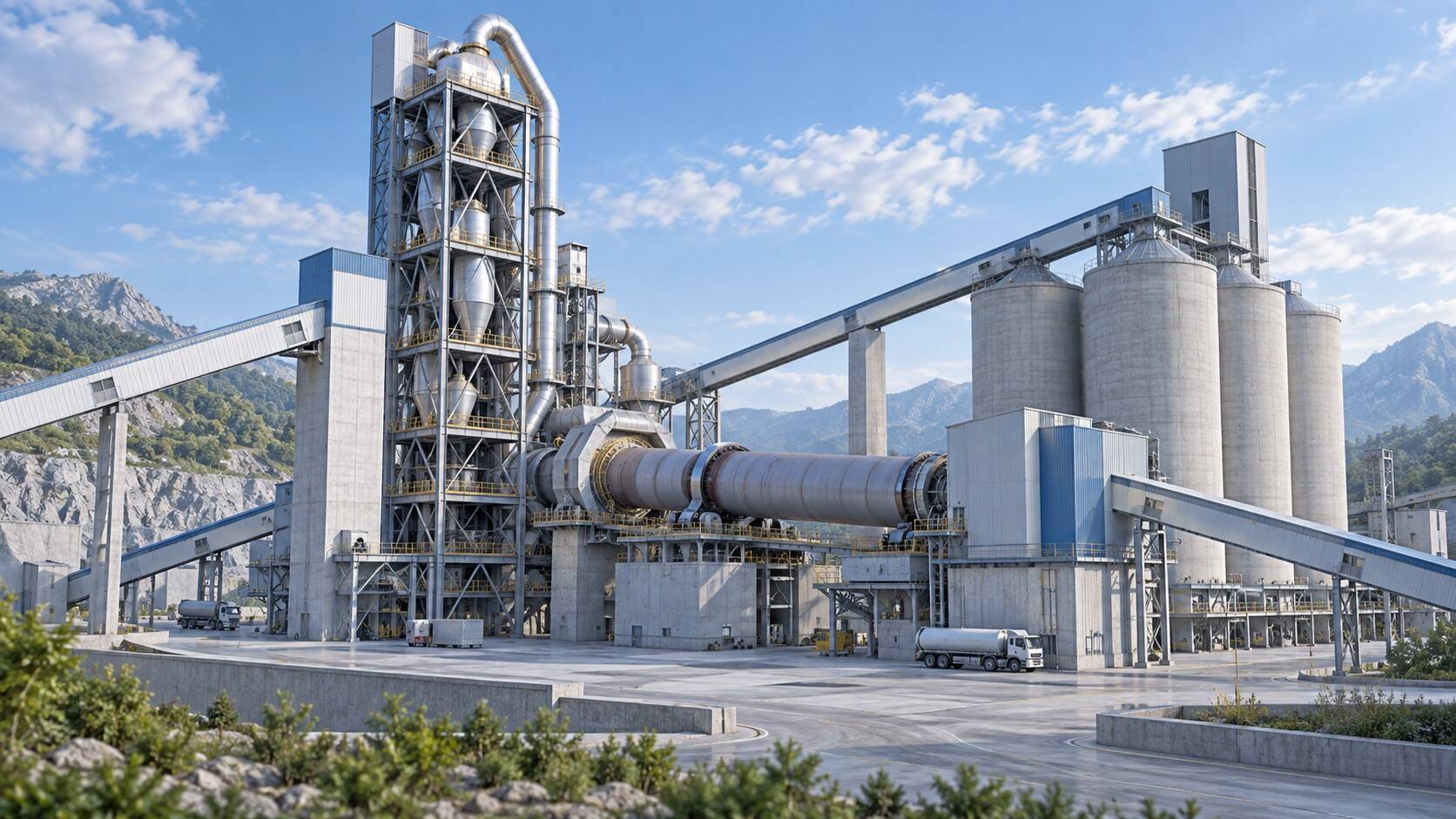
Streamline materials for fuel, electricity, clinker output, and process emissions to evaluate energy statistics and carbon accounting modules. Applicable methods, calculation parameters, and reports can be customized according to process requirements. Special needs such as alternative fuel optimization and waste heat power generation analysis are evaluated separately.
Chemical Application: Customized by Unit and Process

Evaluate energy consumption, costs, and carbon emission data management by unit, starting from electricity, steam, fuel, and product output. Process emissions for different chemical processes must be streamlined individually before confirming custom models and data requirements; general modules should not be equated to complete models for all chemical processes.
Factories and Parks: Data Management Supporting Zero-Carbon Construction

Aggregate energy and carbon emission materials by factory or park boundaries, evaluating layered dashboards, target tracking, and reporting needs. For data involving multi-entity collaboration or PV power generation, aggregation criteria and displays can be customized. Energy storage scheduling, green certificate processing, and zero-carbon evaluation are confirmed separately; platform use does not equate to obtaining zero-carbon certification.
How to Choose Between SaaS and On-Premise Deployment?
SaaS (Cloud Version): Confirm Subscription Scope
For products supporting SaaS, select modules and accounts based on the subscription plan. Confirm data storage, service terms, interfaces, export methods, and fees during selection; new customization needs are evaluated separately.
On-Premise Deployment: Confirm Support Conditions First
For enterprises requiring on-premise deployment, evaluate server, network, and maintenance requirements. Complex interfaces, group management, and specialized reports can be included in the custom scheme, with fees and delivery terms confirmed separately.
Develop Deployment Schemes Based on Enterprise Data Conditions
ORISEEN Energy assists in confirming SaaS or on-premise schemes with manufacturers based on enterprise data security requirements, system status, and budget. Customization scope, maintenance responsibilities, upgrade methods, and acceptance criteria are clarified before implementation.
How is the Project Implemented?

01 Needs Diagnosis
List the problems to be solved, the users, and the desired reports.
02 Data Inventory
Organize meters, system interfaces, and existing ledgers, identifying data gaps.
03 Scheme Design
Confirm standard modules and custom requirements, clarifying accounting scope, delivery fees, and acceptance criteria.
04 Configuration and Integration
The agreed implementation party completes module configuration, interface integration, and confirmed custom development.
05 Verification and Go-Live
Test calculations and reports against original ledgers, completing training and trial operation.
06 Continuous Operation
Maintain data and rules as agreed, checking usage effectiveness. New modules and services are confirmed separately.
Frequently Asked Questions (FAQ)
Services Provided by ORISEEN Energy
Changzhou Oriseen Energy Technology Co., Ltd. (ORISEEN) is positioned as a provider of industrial energy/carbon management and energy-saving services. We assist enterprises in diagnosing needs, streamlining data, meeting customization requirements, and coordinating implementation and after-sales arrangements. Service scopes for software, hardware, OM, and specialized consulting are clarified separately.
Learn more: Industrial Energy-Saving and Carbon Reduction Solutions | ORISEEN Energy Green Transformation Articles
How ORISEEN Energy Supports Enterprise Selection
Product Selection and Customization Needs
Select product modules based on management goals, streamline requirements for specialized indicators, dashboards, reports, and workflows, and assist manufacturers in evaluating custom schemes.
Data Preparation and Accounting Needs
Streamline existing ledgers and data gaps, assisting in clarifying carbon accounting boundaries and issues requiring manufacturer confirmation.
Project Coordination and Service Alignment
Assist in coordinating data interfaces, custom development, training, and after-sales service. Clarify responsibilities, deliverables, and acceptance conditions for all parties.
Start from your management needs to customize a suitable scheme
Tell us your industry, management goals, and existing data. ORISEEN Energy will assist in selecting product modules and confirming customization scope, implementation conditions, and delivery schemes with the manufacturer.